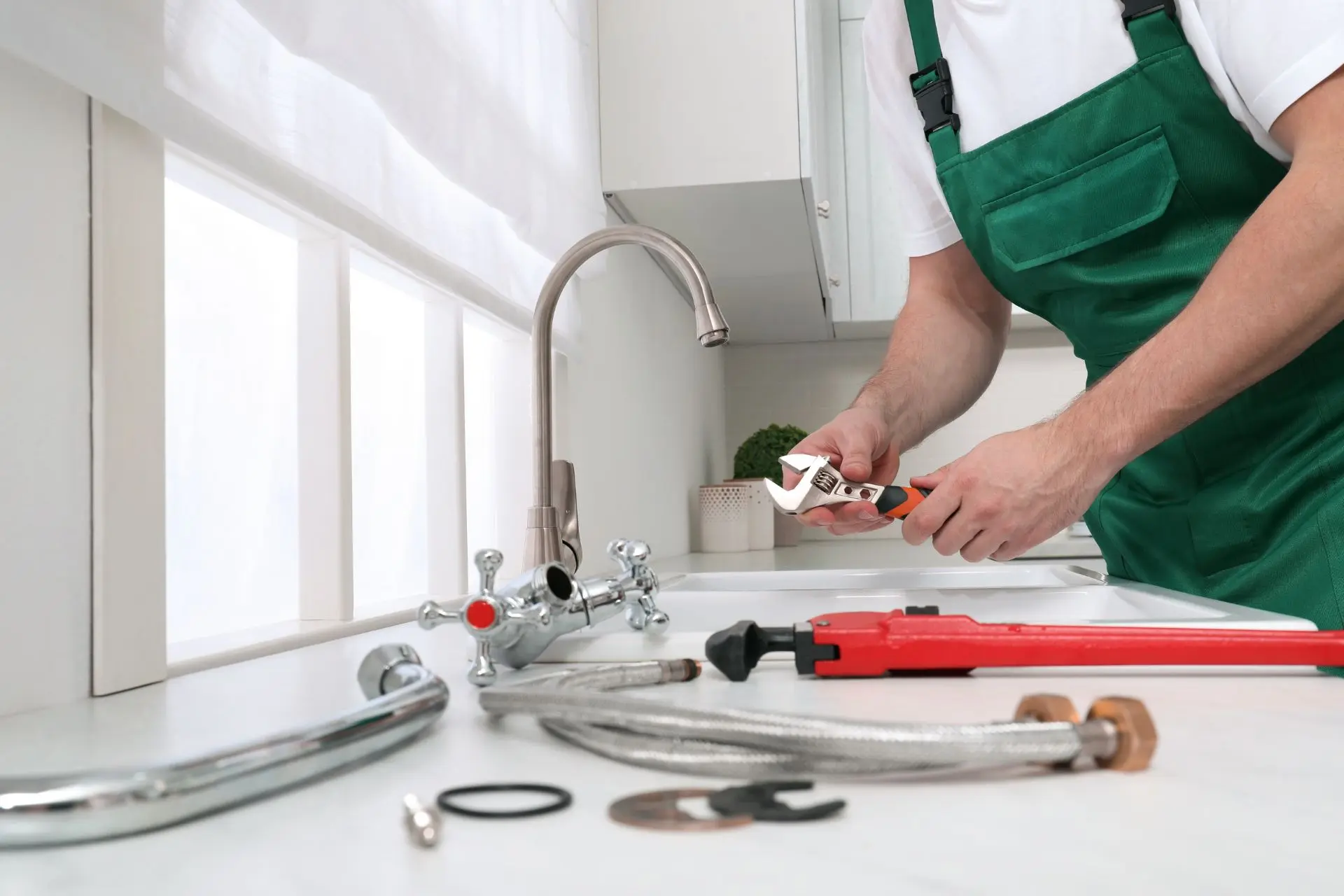

Changing a kitchen tap can transform the look and functionality of your kitchen, making it a rewarding DIY project. Whether your old tap is leaking, outdated, or you simply want an upgrade, knowing how to replace a kitchen tap yourself can save time and money. With the right tools and a bit of guidance, you’ll have your new tap installed and working perfectly in no time.
Tools and Materials Needed to Change a Kitchen Tap
To change a kitchen mixer tap successfully, you’ll need a variety of tools and materials. Here’s a comprehensive list to ensure you have everything you need for the job, especially if you plan to replace your kitchen tap.
Tools Required for the Job
Having the right tools is crucial for efficiently changing a kitchen tap. Each tool plays a specific role in the process, from loosening old fittings to securing the new tap in place.
- Adjustable Spanner: This versatile tool helps in tightening and loosening nuts of various sizes. It’s essential for removing the retaining nut that holds the tap in place and for securing the new tap.
- Basin Wrench: Designed for tight spaces under the sink, a basin wrench makes it easier to reach and unscrew the nut where the tap joins the sink. Its long handle and pivoting jaw can get into places other wrenches can’t.
- Pliers: Pliers, especially adjustable ones, are useful for gripping and holding components steady while you work. They help in turning the valves and loosening stubborn hoses or fittings.
- Box Spanner: This tool is specifically useful for loosening and tightening the nuts on the tap connections. Its design fits perfectly around the nuts, providing better leverage.
- PTFE Tape: This tape is used to seal threaded connections, preventing leaks when the water supply is turned back on, especially after you replace the kitchen tap with a new one. Wrapping PTFE tape around the threads ensures a watertight seal.
- Open-Ended Spanner: Useful for gripping nuts and bolts that have a consistent size, an open-ended spanner provides the necessary torque to unscrew and tighten fittings without slipping, which is crucial when you replace kitchen mixer taps.
- Screwdriver: Depending on the type of tap, you might need a screwdriver to remove any screws holding the tap in place or to secure the new one.
Materials Needed for Replacing the Tap
In addition to tools, certain materials are required to complete the kitchen tap replacement. These ensure that the new tap is installed correctly and operates smoothly.
- Replacement Tap: Choose a replacement tap that matches the existing holes in your sink and fits your design preferences. Ensure it comes with all necessary fittings and washers.
- Flexible Hoses: If the old hoses are worn out or incompatible with the new tap, you’ll need flexible hoses to connect the tap to the water supply pipes. These hoses allow easy alignment and positioning of the new tap.
- Washers and O-Rings: These are critical for preventing leaks. Make sure to fit new washers and O-rings with your replacement tap to create tight seals at all connections.
- Retaining Nut: The retaining nut holds the tap securely to the sink. A new retaining nut may come with the replacement tap, but if not, ensure you have one that fits correctly.
- PTFE Tape: As mentioned earlier, this tape is used to wrap around the threads of the pipe connections to ensure a leak-proof seal.
- Isolation Valves: If your kitchen doesn’t already have them, installing isolating valves can make future plumbing maintenance easier. These valves allow you to shut off the water to the tap without affecting the rest of your plumbing.
- Sealing Compound: While not always necessary, a sealing compound can provide an extra layer of protection against leaks, particularly in high-pressure systems.
Step-by-Step Guide to Changing Your Kitchen Tap
Changing a kitchen sink tap involves several key steps. Follow this step-by-step guide to ensure you replace your tap efficiently and effectively.
Step 1: Turn Off the Water Supply
Before you begin, it’s crucial to shut off the water supply to avoid flooding your kitchen. Locate the isolating valves under the sink and turn them off by rotating them in a clockwise direction. If your kitchen doesn’t have isolating valves, you will need to turn off the main water supply to the house.
Step 2: Remove the Old Tap
With the water supply off, you can now remove the old tap. Use an adjustable spanner or basin wrench to loosen the retaining nut that holds the tap in place. Once the nut is loose, disconnect the hoses and lift the old tap out of the sink, taking care to avoid damaging the surface of the sink.
Step 3: Prepare the Sink for the New Tap
Clean the area around the holes in the sink to ensure a proper fit for the new tap. Remove any debris or old sealing compound. If necessary, use a scraper to clean the surface thoroughly after the old tap is removed. Ensuring the area is clean and smooth will help achieve a watertight seal when you install the new tap.
Step 4: Fit the New Kitchen Tap
Place the new tap into the holes in the sink, ensuring it aligns correctly with the hot and cold water supply lines. Hold the tap in the right position and secure it from underneath by tightening the retaining nut with a basin wrench. Make sure the tap is firmly held in place without over-tightening, which could damage the fittings.
Step 5: Connect the Water Supply Lines
Attach the flexible hoses from the new tap to the water supply pipes. Make sure to connect the hot and cold hoses to the correct pipes. Tighten the connections with an adjustable spanner, ensuring they are secure but not overly tight to avoid damaging the threads. If your new tap comes with pre-fitted hoses, this step will be more straightforward.
Step 6: Test the New Tap for Leaks
Once everything is connected, turn on the water supply by slowly opening the isolator valves or the main supply. Check for leaks around the connections and the base of the tap. Slowly open the taps and allow the water to flow, watching for any signs of dripping or moisture. If leaks are detected, tighten the connections as necessary and apply PTFE tape if needed.
When to Call a Professional Plumber
Changing a kitchen tap can be a satisfying DIY project, but there are situations where calling a professional plumber is the best course of action:
- Complex Installations If your current setup includes an individual pillar tap or a more complex configuration, it might be best to call a licensed plumber. They have the necessary tools and expertise to ensure proper installation and alignment.
- Lack of Necessary Tools Some jobs require specialised tools like a basin wrench, box spanner, or adjustable pliers. If you don’t have these, a professional can handle the task efficiently, ensuring all nuts and bolts are properly tightened and fittings are secure.
- Old or Corroded Fixtures If the old kitchen tap is outdated and has corroded fittings, removing the nut and other parts can be challenging. A professional can completely unscrew and replace the old fixtures without causing damage to the sink or plumbing.
- Persistent Leaks If your kitchen tap joins the pipe but still leaks after multiple attempts to fix it, it’s time to call a plumber. Persistent leaks may indicate underlying issues that need a professional diagnosis and solution.
- Complicated Plumbing Systems When replacing a tap in a system with multiple hoses, valves, or a hot water supply tank, the complexity increases. A licensed plumber can navigate these systems, ensuring everything works seamlessly together.
- No Isolating Valves If you don’t have isolating valves and need to shut off the mains connection lower threads, it’s safer to get a professional. They can install isolating valves and manage the water supply effectively during the installation.
- Incorrect Tap Alignment Ensuring the new tap alignment matches the existing holes in the sink can be tricky. Professionals can fit a new tap with precision, ensuring it aligns correctly and functions properly.
If you’re experiencing difficulties with your kitchen tap replacement or need professional assistance, Plumbwell Plumbing Services is here to help. Our licensed plumbers are equipped with the expertise and tools to handle any tap installation. Contact us today at (02) 9064 2861 to get your kitchen tap fixed efficiently and reliably.